For businesses
Commercial Pest Control in Salt Lake City
Commercial pest control is a documentation business as much as a treatment business. For a restaurant on Main Street, a distribution warehouse near the airport, or a food processor in West Valley City, the logbook and the service records are what stand up in a health inspection or a third-party audit.
The service itself is built around Integrated Pest Management: monitoring devices, sanitation and structural recommendations, targeted treatment only where activity is documented, and trend reporting over time rather than routine blanket spraying.
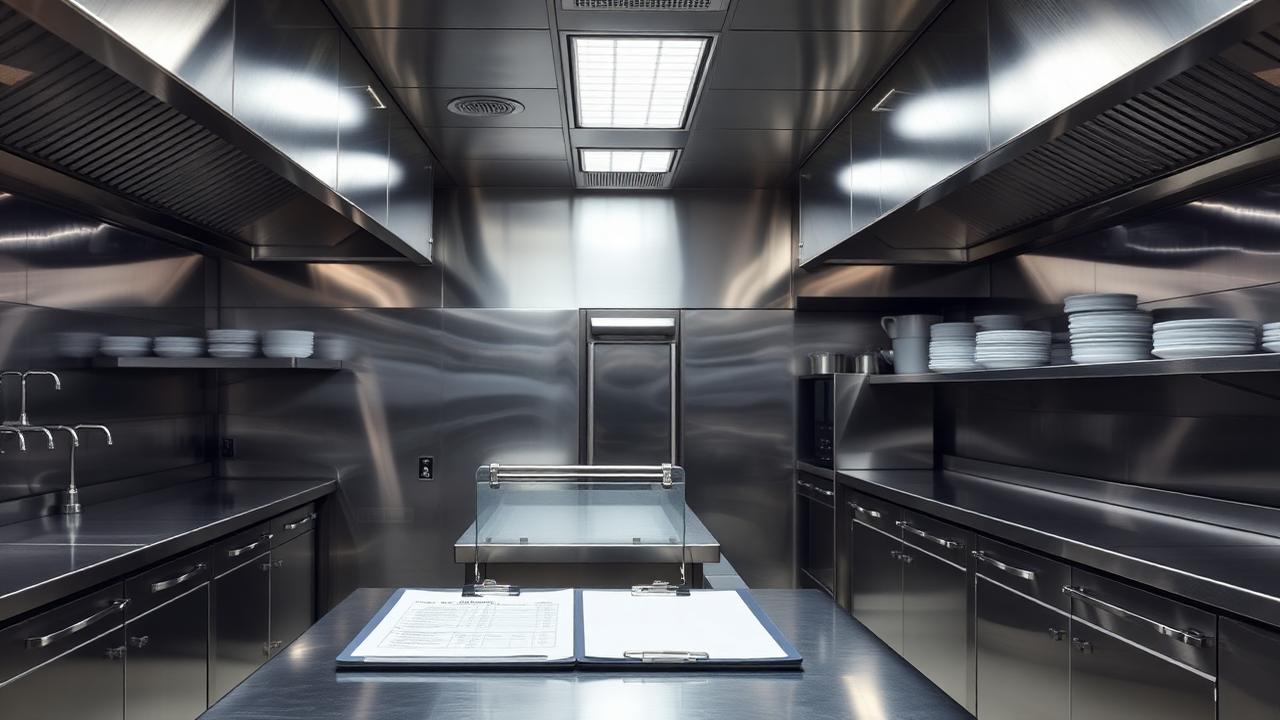
- Typical cost
- $50–$150 per month for small offices; $200–$800+ monthly for food service and warehouses
- Frequency
- Monthly for most facilities; weekly or biweekly for food handling and high-risk sites
- Documentation
- Service reports, device maps, trend graphs, corrective-action logs, pesticide labels and SDS on site
Signs to look for
- —Any sighting in a food prep, storage, or patient care area
- —Fruit fly or drain fly activity around bar wells and floor drains
- —Droppings in dry storage, on pallet racking, or behind equipment
- —Cockroach sightings during the day, which indicate a large population
- —An upcoming AIB, SQF, BRC, or health department inspection
What separates commercial service from residential
Commercial programs are built around monitoring. Insect light traps, pheromone monitors, glue boards, and numbered exterior rodent stations are mapped to a facility diagram, checked on every visit, and logged. The data shows where pressure is entering the building long before anyone sees a pest in a public area.
Treatments are targeted and documented, with product name, EPA registration number, application site, and rate recorded for each application. In food facilities, product selection is constrained by where food contact surfaces are, and much of the work is baiting, void treatment, and exclusion rather than spraying.
The other big difference is the corrective-action loop: the provider identifies a sanitation or structural issue, the facility fixes it, and the fix gets recorded. Auditors look at whether that loop is closing.
Restaurants and food service
In Salt Lake County, food establishments are inspected by the county health department, and pest evidence drives some of the most serious violations. The recurring offenders here are German cockroaches arriving in cardboard deliveries, fruit and drain flies breeding in floor drains and beneath bar mats, and mice entering through back doors propped open during summer service.
Practical wins that cost nothing: break down cardboard immediately instead of storing it, clean floor drains with a bio-foam on a schedule, install door sweeps and a self-closer on the back door, and keep the dumpster corral swept and its lids closed.
Service is usually weekly or biweekly and scheduled outside operating hours. Ask whether the provider will attend an inspection or audit with you — the good ones will.
Warehouses, manufacturing, and distribution
The corridor along I-15 and the airport industrial areas has enormous dock-door surface area and constant inbound freight, which makes exclusion and inbound inspection the core of the program. Dock levelers, gaps beneath overhead doors, and air curtains matter more than any product on the truck.
Stored product pests — Indian meal moth, dermestids, flour and grain beetles — are monitored with pheromone traps that produce a count trend. Rising counts in one aisle usually indicate a specific damaged pallet, not a facility-wide problem.
Bird pressure inside high-bay space is common in Utah warehouses and is usually addressed with netting and exclusion rather than repeated removal.
Offices, retail, medical, and multi-family
Offices and retail are typically monthly and inexpensive; the main risks are break-room sanitation, ant trails in spring, and rodents in shared utility chases. Medical and dental facilities need documented product selection and treatment timing around patient areas.
Apartment and HOA properties are their own discipline. Bed bugs and German cockroaches move unit to unit, so the program has to include an inspection protocol, a treatment protocol for adjoining units, and a resident communication process. A property that treats only the complaining unit will pay for the same problem repeatedly.
What to ask before signing a commercial contract
Ask for the license number, the certificate of insurance naming your entity, and a sample service report. Ask who your dedicated technician will be and what happens on their vacation weeks. Ask about emergency response time — for a restaurant, a 48-hour callback window is not acceptable.
Confirm what is included versus quoted separately: bed bugs, birds, wildlife, fly systems, drain treatments, and initial cleanouts are commonly extra. Get the escalation path and the audit support commitment in writing.
Common questions
How often should a restaurant get pest control?
Weekly or biweekly is standard for food service in Salt Lake County, with monthly reserved for low-risk sites. Frequency should be driven by the monitoring data, not by a default plan.
What documentation do auditors expect?
A current service agreement, applicator license and insurance, a facility device map, dated service reports with findings and corrective actions, pesticide labels and safety data sheets, and trend data over at least the prior 12 months.
Can treatment happen while we're open?
Some inspection and monitoring can. Applications in food areas are scheduled after hours or before opening. Any provider who wants to spray a dining room during service is a liability.
Service details by area
Related guides
More reading
Disclaimer
This site is a free service to assist homeowners in connecting with local service providers. All contractors/providers are independent and SLCPestControl.com does not warrant or guarantee any work performed. It is the responsibility of the homeowner to verify that the hired contractor furnishes the necessary license and insurance required for the work being performed. All persons depicted in a photo or video are actors or models and not contractors listed on this site.