Specialized treatment
Fumigation Services: When They Are Needed in Utah
Fumigation is the most misused word in pest control. Most people say it when they mean any strong treatment, but true fumigation means sealing a structure or chamber and introducing a gas that penetrates every void, then aerating and clearing the space before anyone re-enters.
In Utah, whole-structure tent fumigation is uncommon. The drywood termites that drive tent fumigation in California are not established here, and our subterranean termites are treated from the soil instead. Knowing that saves homeowners thousands of dollars.
- Typical cost
- $2,000–$8,000+ for whole-structure fumigation; usually unnecessary in Utah homes
- Duration
- 24–72 hours under tent, plus aeration and clearance testing
- Common alternative
- Soil treatment for termites; heat treatment for bed bugs; targeted baiting for roaches
What fumigation actually is
A fumigant is a gas, not a spray. The structure is sealed — typically tented — and the gas fills every void, wall cavity, and piece of furniture at a measured concentration for a measured exposure time. Afterward the structure is aerated and tested with monitoring equipment before a clearance is issued.
Fumigants leave no residual. Once the gas is cleared, there is nothing protecting the structure from re-infestation, which is a key reason it is a last resort rather than a routine service.
The work requires a specially licensed fumigator, and in Utah it is a small subset of the industry.
When fumigation is genuinely warranted
Legitimate cases include severe drywood termite infestations in structures where the wood cannot be treated locally, stored product pest infestations in grain, food processing, and commodity facilities, powderpost beetle infestations distributed through structural lumber, and museum or archival items treated in a sealed chamber.
Container and commodity fumigation also happens routinely at distribution facilities in the Salt Lake logistics corridor — that is a commercial supply chain service, not a residential one.
What Utah homeowners are usually looking for instead
For subterranean termites, the answer is a liquid soil treatment or a bait system, not a tent. Fumigating a house does nothing to a colony living in the soil outside it.
For bed bugs, whole-room heat treatment achieves the same all-life-stage kill with far less disruption and cost. Heat is now the standard aggressive option in this market.
For German cockroaches, a bait-and-growth-regulator program outperforms any gas approach, because the population is reachable and the reinfestation source is behavioral.
If a company proposes fumigating a Salt Lake Valley home for termites or roaches, get a second opinion before signing anything.
Preparation and safety if fumigation is required
Everything living leaves — people, pets, and plants. Food, feed, medicine, and tobacco must be removed or double-bagged in certified fumigation bags. Gas is shut off at the meter by the utility and restored by them afterward.
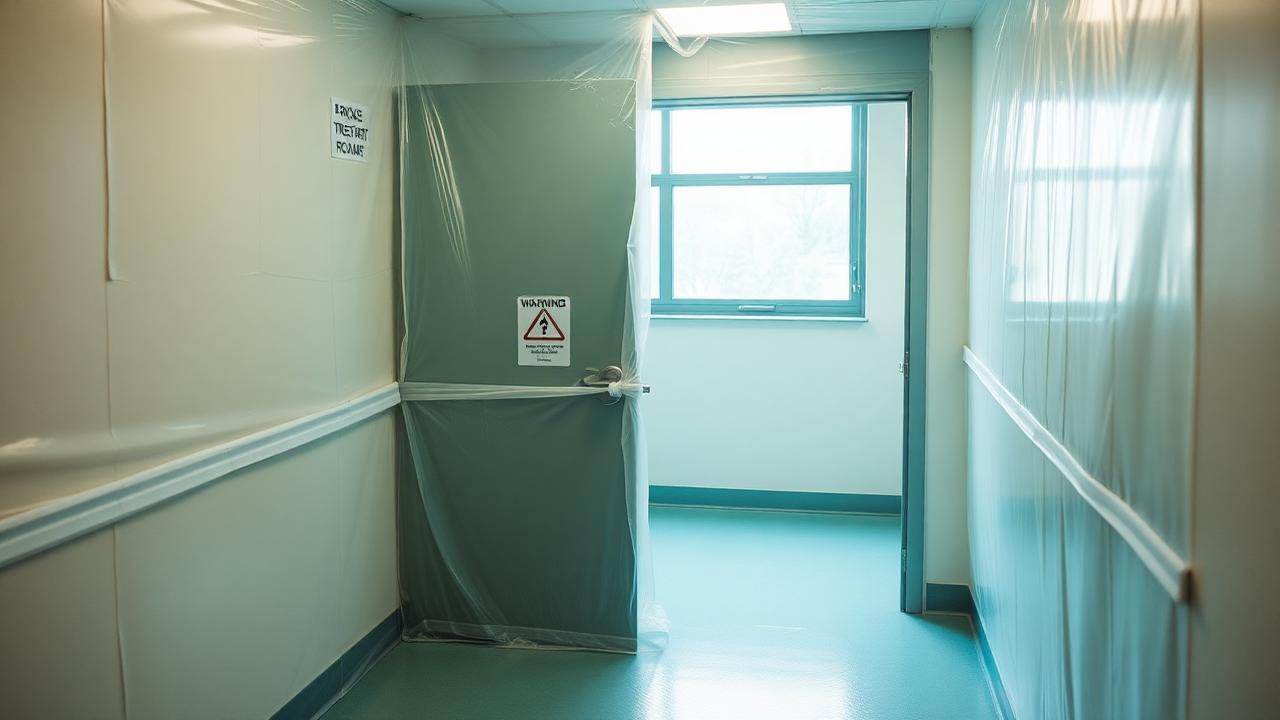
Mattresses with waterproof covers must be uncovered, and doors between interior spaces are opened so the gas can circulate. The fumigator posts warning signage and secures the structure; entry during exposure is a criminal matter, not just a safety warning.
Re-entry happens only after aeration and instrument clearance. Ask for the clearance reading, and expect to be off-site two to three nights.
Questions to ask before agreeing to fumigation
What species was identified, and how was it identified? What non-fumigation options were considered, and why were they rejected? Who holds the fumigation license, and can I see it? What clearance procedure will be used and documented?
Also ask what protects the structure afterward, since fumigation leaves no residual. A responsible plan pairs it with correction of the conditions that allowed the infestation in the first place.
Common questions
Do Utah homes need tent fumigation for termites?
Almost never. Utah's subterranean termites live in soil colonies and are treated with liquid soil applications or bait systems. Tent fumigation targets drywood termites, which are not established here.
Is fumigation better than heat for bed bugs?
For nearly all residential cases, no. Heat treatment kills all life stages in a day at lower cost and without evacuating for multiple nights, and it can be combined with residual products.
How long do we have to stay out of the house?
Typically two to three nights: the exposure period, then aeration, then instrument clearance before re-entry is authorized.
Service details by area
Related guides
More reading
Disclaimer
This site is a free service to assist homeowners in connecting with local service providers. All contractors/providers are independent and SLCPestControl.com does not warrant or guarantee any work performed. It is the responsibility of the homeowner to verify that the hired contractor furnishes the necessary license and insurance required for the work being performed. All persons depicted in a photo or video are actors or models and not contractors listed on this site.